
Proxies for Web Scraping in 2026: Infrastructure, Risk Control, and Scalable Data Collection
Web Scraping Is an Infrastructure Problem, Not a Coding Problem
Most scraping projects do not fail because of parsing errors.
They fail because of IP exposure.
Once a website identifies repetitive traffic patterns tied to a single IP range, throttling or blocking follows almost immediately. Modern anti-bot systems evaluate IP trust, ASN classification, and behavioral signals before even analyzing request content.
That is why proxies for web scraping are not optional at scale – they are foundational infrastructure.
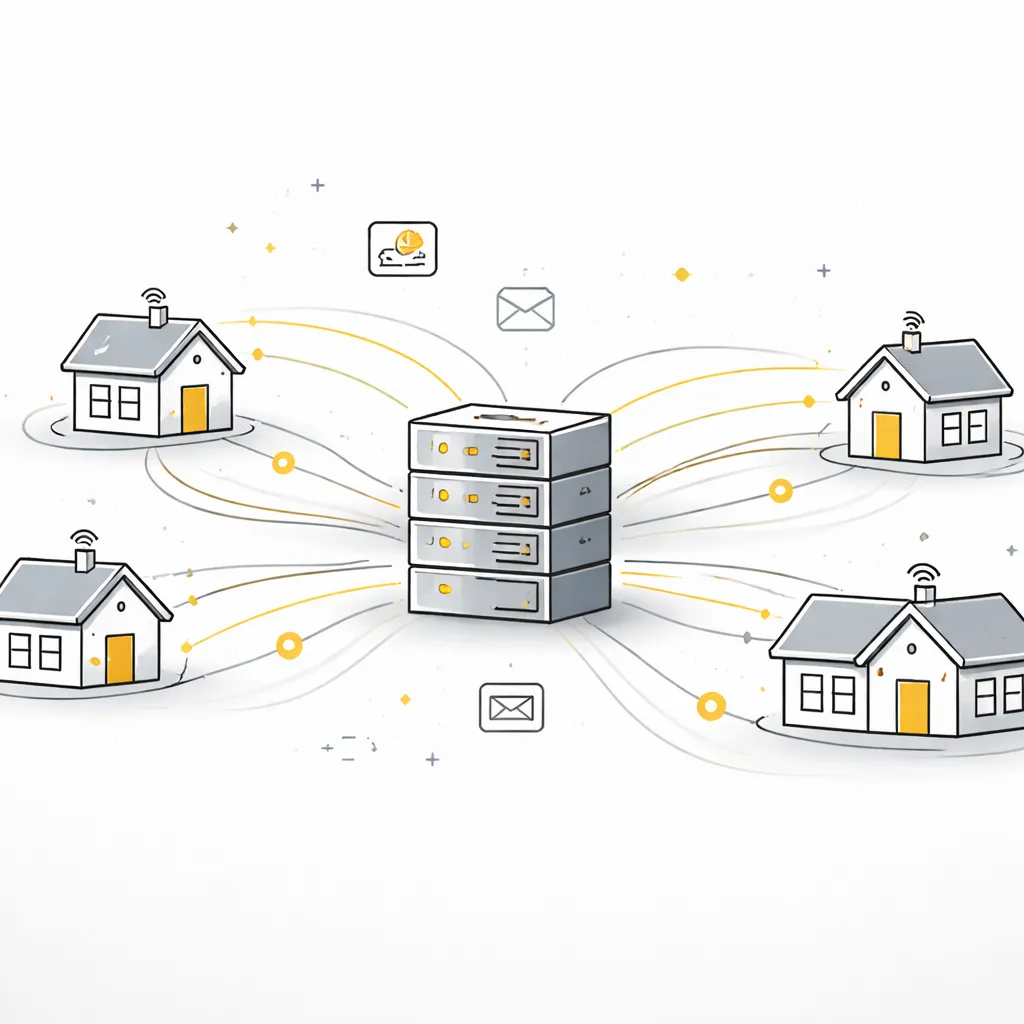
A scraping proxy network distributes requests across multiple identities, reducing visibility and limiting block probability.
How Detection Systems Actually Identify Scraping Traffic
To choose the right proxy type, it is important to understand how blocking works.
Web platforms typically analyze:
- IP reputation history
- Autonomous System Number classification
- Request velocity
- Session consistency
- Device fingerprint patterns
Datacenter IP ranges are publicly indexed and often categorized as hosting infrastructure. This makes them easy targets for automated filtering.
Residential IPs, in contrast, are allocated by real Internet Service Providers. From a network-level perspective, they resemble standard user connections.
This structural difference significantly impacts scraping longevity.
Residential Proxies: When Low Detection Risk Matters Most
Residential proxies route traffic through IP addresses assigned to consumer networks.
They are commonly used when scraping:
- Large marketplaces
- Search engine results
- Travel aggregation platforms
- Social media data
- Competitive pricing systems
Their main advantage lies in trust level. Because they are tied to legitimate ISP allocations, they blend naturally into regular web traffic.
However, residential proxy performance depends on pool size and rotation strategy. Small pools used aggressively can still trigger blocks.
Proper scaling requires both IP diversity and pacing control.
ISP Proxies: Stability for Session-Based Scraping
ISP proxies occupy a middle ground between residential and datacenter infrastructure.
They are hosted on servers but registered under ISP networks. This gives them two operational benefits:
- Static IP persistence
- Reduced classification as hosting traffic
ISP proxies are particularly effective for:
- Logged-in scraping environments
- Account monitoring
- Automation tools
- Continuous dashboard tracking
When scraping requires maintaining consistent identity over time, static ISP proxies reduce friction compared to rotating residential pools.
Datacenter Proxies: Speed Over Stealth
Datacenter proxies are cost-efficient and fast. They are useful when:
- Scraping low-protection websites
- Performing large-scale crawling without login
- Testing scraping scripts
- Collecting non-sensitive datasets
Their primary limitation is detectability. Many platforms flag entire datacenter IP blocks preemptively.
Choosing datacenter proxies for high-security targets often leads to rapid failure.
Proxy Rotation Strategies for Scraping
Proxy rotation determines how IP addresses are cycled during data extraction.
Two dominant approaches are used:
1. Continuous Rotation
Each request is assigned a different IP address.
Best suited for high-frequency product scraping.
2. Sticky Sessions
The same IP persists for a defined duration.
Ideal for maintaining login state or completing structured workflows.
Selecting the correct rotation logic directly affects block rates and operational cost.
Common Scraping Use Cases and Recommended Proxy Types
| Use Case | Recommended Proxy |
| SERP Data Collection | Residential |
| Marketplace Monitoring | Residential |
| Account-Based Monitoring | ISP |
| Bulk Low-Security Crawling | Datacenter |
| eCommerce Price Intelligence | Residential or ISP |
Matching proxy type to target complexity increases success rates while reducing IP waste.
How to Evaluate a Scraping Proxy Provider
Before deploying infrastructure, evaluate:
- Geographic coverage
- IP pool size
- Rotation flexibility
- Authentication methods
- Concurrent session limits
- Bandwidth pricing model
A scraping-focused proxy provider should support both dynamic and static configurations, depending on workload requirements.
Typical Mistakes That Lead to Scraping Failure
Many projects underestimate operational factors such as:
- Overloading a limited IP pool
- Using static IPs for aggressive crawling
- Ignoring request timing randomization
- Failing to monitor IP health
- Mixing incompatible rotation models
Even high-quality proxies require proper traffic management.
MangoProxy Infrastructure for Scalable Scraping
MangoProxy offers:
- Large-scale residential IP pools
- Static and dynamic ISP proxies
- Rotating session support
- Geo-targeted configurations
- Infrastructure optimized for scraping and automation workloads
Our network is built for data-driven teams, SaaS platforms, market intelligence tools, and businesses that rely on stable public data collection.
Whether the requirement is rotating residential proxies for distributed scraping or static ISP proxies for session consistency, scalable deployment options are available.
Frequently Asked Questions
What is the safest proxy type for scraping protected websites?
Residential proxies generally offer the lowest detection risk due to their ISP classification.
Are ISP proxies better than residential proxies?
For persistent sessions and login-based scraping, ISP proxies are often more stable.
Can scraping work without proxies?
Small-scale scripts may function temporarily, but scaling without proxies typically results in rapid blocking.
How many proxies are required for large scraping projects?
The number depends on request frequency, site defenses, and geographic distribution needs.