
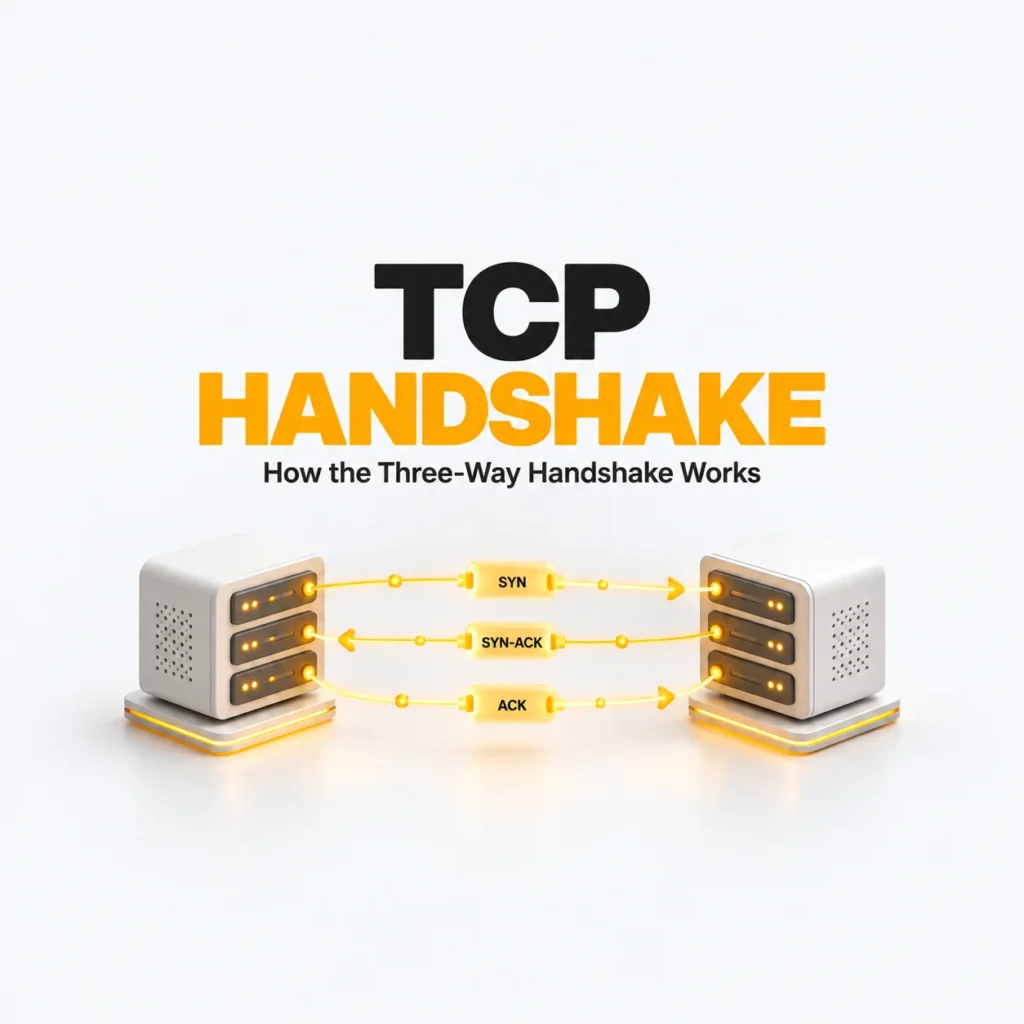
TCP Handshake Explained: How the Three-Way Handshake Works
Quick Answer The TCP three-way handshake establishes a connection through three messages: SYN, SYN-ACK and ACK. The endpoints exchange initial...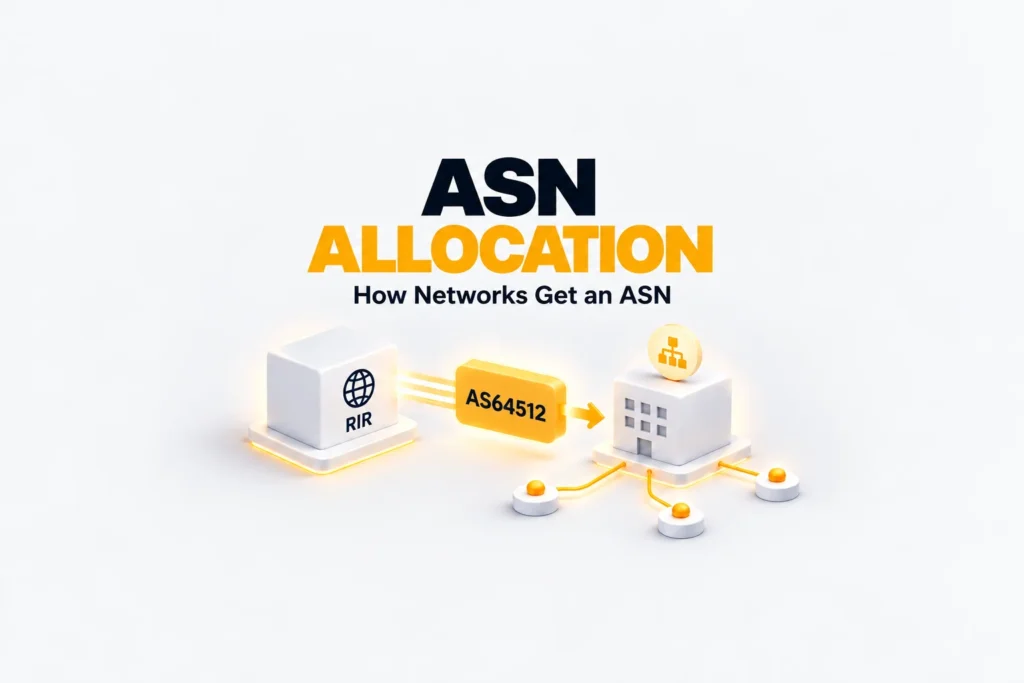
ASN Allocation: How Networks Receive Autonomous System Numbers
Quick Answer A network receives a public Autonomous System Number through the applicable regional registry process. IANA allocates ASN resources...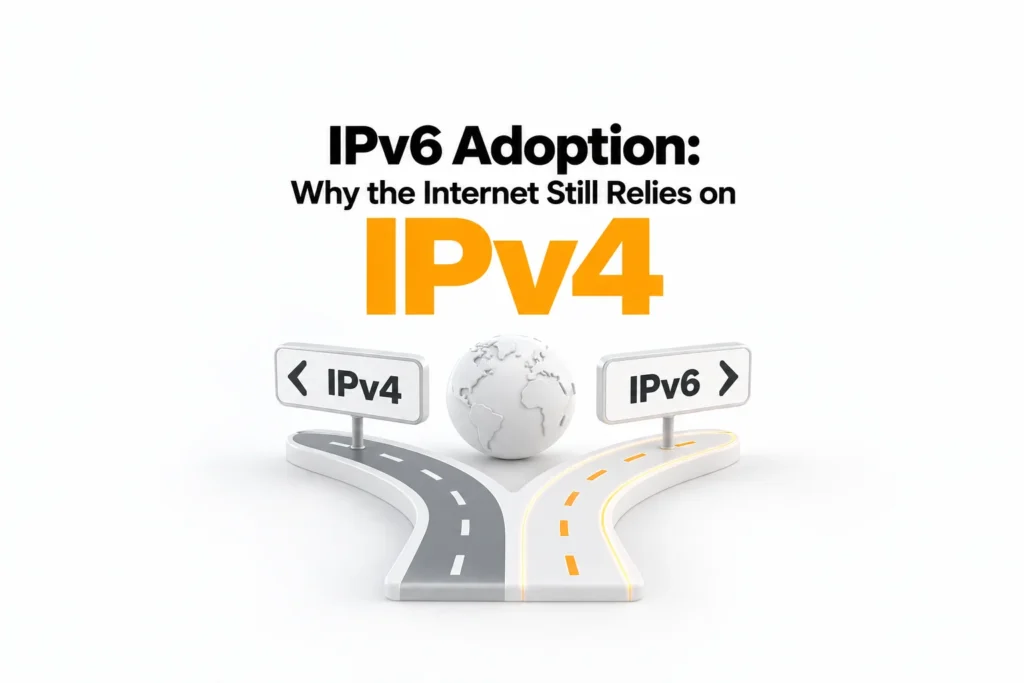
IPv6 Adoption: Why the Internet Still Uses IPv4
Quick Answer IPv6 adoption does not automatically remove IPv4 dependencies. A network can successfully deploy IPv6 while still needing to...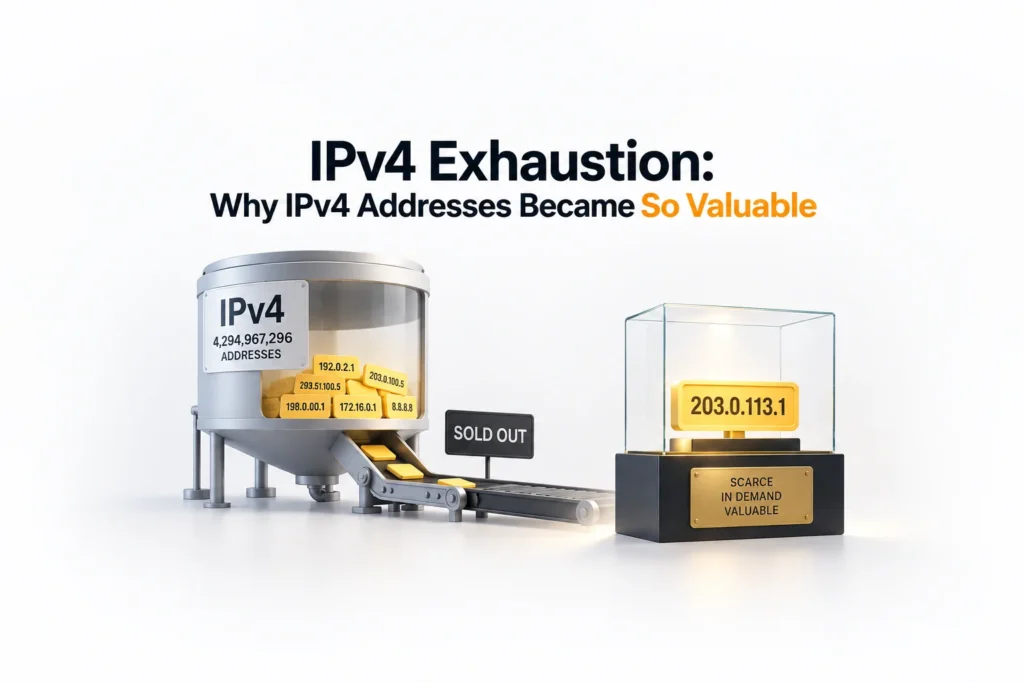
IPv4 Exhaustion: Why IPv4 Addresses Became So Valuable
Quick Answer IPv4 addresses became scarce because IPv4 uses a finite 32-bit address space, while demand for Internet connectivity continued...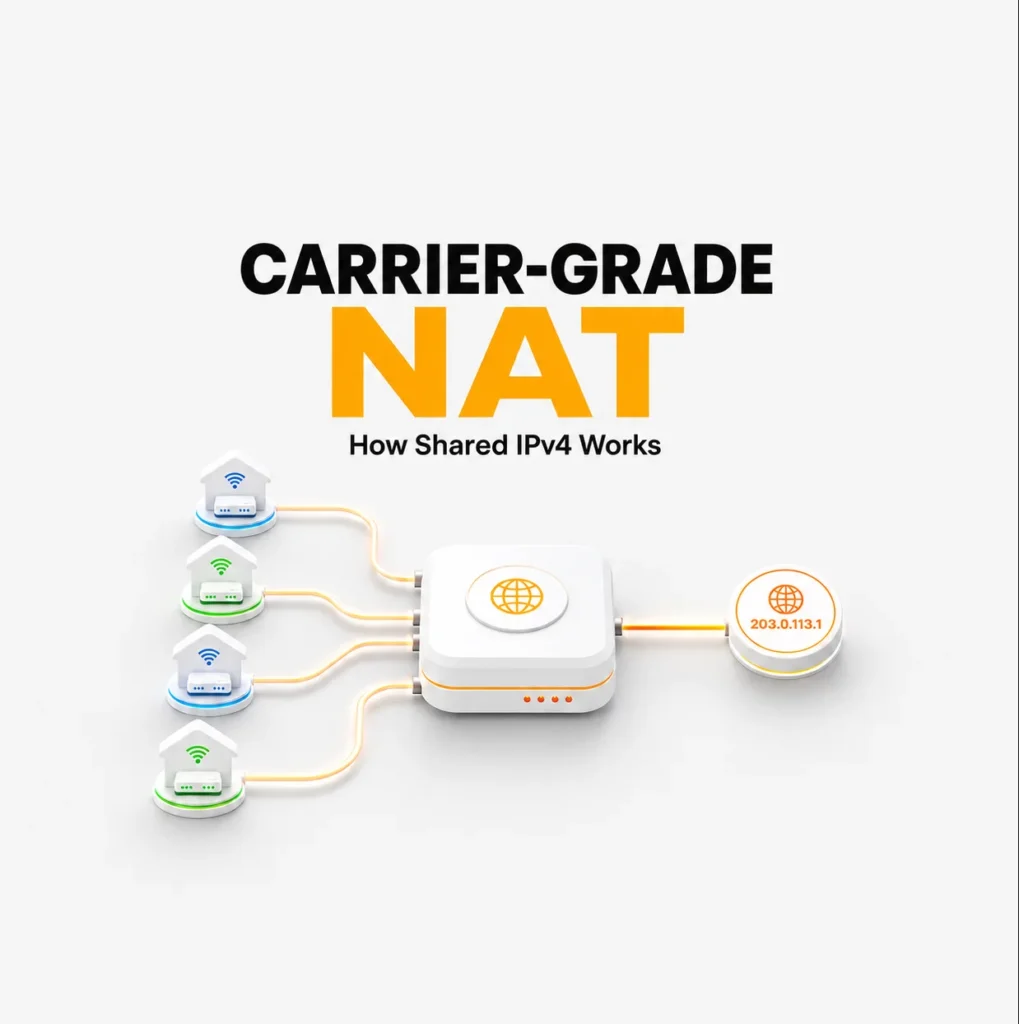
Carrier-Grade NAT (CGNAT) Explained: How Shared IPv4 Works
Quick Answer Carrier-Grade NAT, or CGNAT, is a provider-operated form of network address translation that allows multiple subscriber connections to...